Final Fantasy 7 Rebirth on Switch 2 and Xbox: Demo, Release Date, Progress Transfer, and What Players Should Expect
Meta Description: Final Fantasy 7 Rebirth arrives on Nintendo Switch 2 and Xbox Series X|S on June 3. The free demo includes the opening chapters, save transfer, Queen’s Blood, and a first look at how the RPG performs on new platforms.
Final Fantasy 7 Rebirth is getting ready to reach a much wider audience. After making a major impact on PlayStation 5, Square Enix’s large-scale RPG is heading to Nintendo Switch 2 and Xbox Series X|S on June 3. More importantly, players can already sample the game through a demo that covers the beginning of the adventure and allows saved progress to transfer into the full release.
This new launch is more than a simple platform expansion. It gives players on Nintendo and Xbox hardware a chance to experience one of the most ambitious RPGs in the modern Final Fantasy catalog. For Switch 2 owners, the appeal is especially clear: a massive cinematic RPG, a large world to explore, and one of the most praised side activities in the series can now be played away from the couch.
For Xbox players, this release is equally important. Final Fantasy 7 Rebirth has been one of the most discussed RPGs of recent years, and its arrival on Xbox Series X|S helps bring the remake trilogy to more players before the final chapter arrives. Whether you are returning after Final Fantasy 7 Remake or starting your journey with Rebirth, the June 3 release gives the game a new moment in the spotlight.
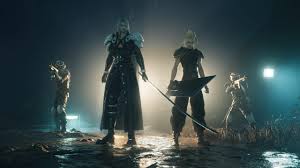
What Is Included in the Final Fantasy 7 Rebirth Demo?
The demo gives players access to the first two chapters of the game. That makes it a generous preview, especially for an RPG of this size. Instead of offering only a short combat sequence or a limited technical test, the demo lets players step into the early story, explore the opening areas, and understand how Rebirth builds on the foundation of Final Fantasy 7 Remake.
The most useful part of the demo is save transfer. Any progress made during the demo can be carried into the full game when it launches on June 3. That means players can begin the adventure now without worrying about losing time or repeating the same opening content later. For a long RPG, this is a major convenience and gives the demo more value than a traditional trial.
The demo also reaches Chapter 2, which is important because that is where players first gain access to Queen’s Blood. This collectible card game quickly became one of Rebirth’s standout features. It is easy to learn, surprisingly strategic, and memorable enough that many players spent hours challenging NPCs even when the main story was waiting.
Why Queen’s Blood Could Become a Switch 2 Favorite
Final Fantasy has a long history of memorable mini-games, but Queen’s Blood stands out because it feels like more than a quick distraction. It has its own rules, progression, rival players, deck-building choices, and a strong sense of momentum. The more cards players collect, the more opportunities they have to experiment with different strategies.
On Nintendo Switch 2, Queen’s Blood may feel even more natural. Card games are often at their best when they can be played in short bursts. A few matches during a commute, a break, or a relaxed handheld session can be just as satisfying as a longer play session. That makes the Switch 2 version especially attractive for players who enjoy side content that does not always require full attention for hours at a time.
There is also a strong collector’s appeal. Queen’s Blood gives players a reason to talk to more characters, visit more locations, and search for more opponents. In a game already filled with exploration and story, the card game adds another layer of motivation. For some players, it may become one of the biggest reasons to keep returning to Rebirth between major story moments.
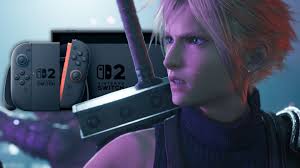
How Final Fantasy 7 Rebirth Expands Beyond Remake
Final Fantasy 7 Remake focused heavily on Midgar, turning one section of the original 1997 RPG into a full modern game. Rebirth takes the next step by moving the party into a much broader world. This shift changes the rhythm of the experience. Instead of staying mostly within dense urban environments, players travel across larger regions, discover new settlements, complete side activities, and spend more time with the party outside of constant crisis.
This larger structure is one of the reasons Rebirth feels so different from Remake. The game still has cinematic story sequences and carefully directed character moments, but it also gives players more breathing room. Exploration plays a bigger role, and the world feels more like a journey than a single extended mission.
The result is an RPG that blends story-driven design with open-area discovery. Players who enjoy following the main narrative can stay focused, while completionists can spend time checking off optional objectives, finding collectibles, playing mini-games, and improving the party through extra challenges.
A Story That Uses Nostalgia Without Being Trapped by It
One reason the Final Fantasy 7 remake project remains so heavily discussed is that it does not simply recreate the original game scene by scene. Square Enix has chosen to revisit familiar events while also adding uncertainty, new context, and unexpected changes. This approach keeps longtime fans engaged because they cannot assume they already know every outcome.
Rebirth continues that idea. It honors the characters, locations, and emotional weight of the original Final Fantasy 7, but it also plays with expectations. Familiar moments are given more time, supporting characters receive additional attention, and major story beats carry extra tension because players are never completely sure how events will unfold.
For newcomers, this means Rebirth can still work as a dramatic modern RPG. For longtime fans, it becomes something more complicated: a return to a beloved story that also questions how much of that story is fixed. That tension is one of the biggest reasons the game generated so much discussion after its original PS5 release.
Combat Feels Faster, Deeper, and More Flexible
Final Fantasy 7 Rebirth continues the combat style introduced in Remake, but it adds more depth and polish. Battles combine real-time action with command-based decision-making, allowing players to attack, dodge, block, cast spells, use abilities, and switch between party members during combat.
This system works because it gives each character a different role. Cloud is versatile and aggressive, Barret brings ranged pressure, Tifa excels at fast close-range attacks, Aerith offers magical strength, and other party members add even more variety as the game progresses. Learning when to switch characters and how to build pressure on enemies is a major part of the combat loop.
Rebirth also expands team-based mechanics, making party composition more important. The best battles are not just about attacking quickly. They are about understanding enemy weaknesses, managing resources, choosing the right abilities, and using the full party effectively. This makes the combat more active than a traditional turn-based system while still preserving the tactical identity of Final Fantasy.
Switch 2 Version: Portability With Smart Compromises
The Switch 2 version of Final Fantasy 7 Rebirth is one of the most interesting parts of this release. Rebirth was originally designed as a visually rich console RPG, so bringing it to a portable-capable device is not a small task. The Switch 2 version makes some visual reductions compared with the PlayStation 5 version, but the overall impression remains strong.
The key advantage is flexibility. Some players care most about resolution, texture detail, or graphical effects. Others care more about when and where they can play. The Switch 2 version is aimed at the second group without completely abandoning presentation quality. If performance remains stable across the full game, it could become a very appealing option for players who value convenience.
RPGs often fit handheld play better than expected. Story scenes, side quests, card battles, exploration, and character progression can all be enjoyed in shorter sessions. Final Fantasy 7 Rebirth is a long game, so portability may help more players finish it. Instead of needing a dedicated block of time in front of a television, players can chip away at the adventure whenever they have a free moment.
Xbox Series X|S Gives Players Another High-Performance Option
The Xbox Series X|S release gives Rebirth another important home. On Xbox Series X, players can expect a console experience focused on strong performance and visual quality. On Series S, the game gives players a more affordable way to access the same core adventure.
This release also helps Square Enix reach a wider audience. Final Fantasy has had a complicated platform history, with different entries appearing on different systems over time. Bringing Rebirth to Xbox Series X|S makes the remake trilogy easier to follow for players who prefer Microsoft’s ecosystem.
With the demo available now, Xbox players can try the opening chapters before committing to the full game. That is especially useful for anyone unfamiliar with the Remake trilogy’s combat, pacing, or story direction.
Streamlined Progression Helps Story-First Players
One useful addition in the Switch 2 version is a streamlined progression system. This option is designed for players who want to experience the story with less friction from difficult battles or heavy character management.
Final Fantasy 7 Rebirth includes many RPG systems, including materia setups, weapon upgrades, party roles, enemy weaknesses, and optional challenges. For some players, that depth is part of the appeal. For others, it can slow down the story. Streamlined progression gives players more control over the experience and makes the game easier to enjoy at their own pace.
This feature could be especially helpful for new players entering the trilogy for the first time on Switch 2 or Xbox. It lowers the barrier without removing the full RPG experience for players who want more challenge.
Should You Try the Demo Before Launch?
Yes, the demo is worth trying if you are even slightly interested in Final Fantasy 7 Rebirth. Since progress carries over, there is little downside. The demo gives you enough time to judge the story presentation, combat system, visual quality, and early pacing before the full game arrives.
For Switch 2 players, the demo is also the best way to test performance for yourself. Visual trade-offs are easier to judge when you can see the game running on your own screen. Some players may be perfectly happy with the portable version, while others may prefer a more powerful console setup.
For Xbox players, the demo can help answer whether Rebirth’s hybrid combat and expanded world are the right fit. The game is large, so getting a free early sample is a smart way to decide before launch.
What Comes After Final Fantasy 7 Rebirth?
Final Fantasy 7 Rebirth is the middle chapter of a planned trilogy. The third game has not yet received an official title, but it is expected to conclude this reimagined version of the Final Fantasy 7 story. Because Rebirth makes several bold narrative choices, the final entry now has even more pressure to deliver a satisfying conclusion.
The arrival of Rebirth on Switch 2 and Xbox Series X|S helps prepare a larger audience for that final chapter. More players can now follow the story before the trilogy ends, which could make the eventual third game an even bigger event.
Final Verdict
Final Fantasy 7 Rebirth’s move to Switch 2 and Xbox Series X|S is a major win for RPG fans. The June 3 release gives more players access to one of Square Enix’s most ambitious modern games, while the demo provides a useful early start with progress transfer included.
The Switch 2 version stands out because of portability. Even with some visual compromises, the ability to take Rebirth anywhere could make the game easier and more enjoyable to finish. Queen’s Blood alone feels like the kind of side activity that belongs on a handheld system.
The Xbox version, meanwhile, gives players another powerful console option and expands the audience for the remake trilogy. Combined with refined combat, expanded exploration, story-driven design, and accessible progression options, Rebirth is positioned to make a strong second impression on new platforms.
If you missed Final Fantasy 7 Rebirth on PS5, June 3 is the date to watch. And if you want to start early, the demo is already available, giving you the first two chapters, access to Queen’s Blood, and a save file that can continue directly into the full game.