PlayStation Digital Games May Now Require a 30-Day Online License Check
Meta Description: Recent PS4 and PS5 updates may have added a 30-day online license check for newer PlayStation Store purchases, raising fresh concerns about digital game ownership and offline access.
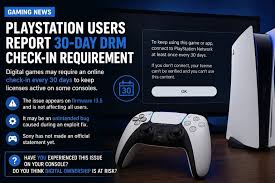
PlayStation players are raising concerns after reports surfaced that some digital games on PS4 and PS5 may now require an online license check every 30 days. The issue appears to affect newer purchases from the PlayStation Store, while older digital games may remain unaffected.
For most players, this may not cause an immediate problem. Modern consoles are usually connected to the internet, and many users rarely go more than a few days without going online. However, for players who live in areas with unreliable internet, travel frequently, keep backup consoles offline, or preserve digital libraries for long-term access, this change could become a serious concern.
The bigger question is whether this is an intentional new digital rights management system or simply a bug introduced in a recent system update. Sony has not clearly explained the situation at the time of writing, leaving players to rely on user reports and testing from the gaming community.

What Is the Reported 30-Day PlayStation License Check?
According to multiple user reports, newer PlayStation Store purchases now appear to include a 30-day timer. This timer indicates when the console must connect to the internet again to verify the license for certain digital games.
On PS4, some users say this timer is visible. On PS5, the timer may not appear in the same way, but reports suggest the system could still be tracking the license check in the background. If the console does not reconnect within the required period, access to affected digital games may become restricted until the license is refreshed online.
At this stage, reports suggest that purchases made before March 2026 may not be affected. The issue seems to apply mainly to newer digital purchases made after that point. This distinction is important because it suggests the change may be tied to recent PlayStation Store licensing behavior, firmware updates, or backend changes rather than all digital games equally.
Why Players Are Concerned
The concern is not simply about needing the internet once in a while. The deeper issue is digital ownership. When players buy a game from the PlayStation Store, many expect to be able to download and play that game whenever they want, especially if it is a single-player title that does not require online servers.
A 30-day license check changes that expectation. It means access to a purchased digital game may depend on Sony’s ability to verify ownership through an online connection. If a player cannot connect for an extended period, that game could become temporarily inaccessible, even if it is fully downloaded on the console.
This matters for several types of users. Military personnel, travelers, rural players, students with restricted network access, people living through natural disasters, and collectors who keep consoles offline could all be affected. It may also matter years from now, when servers, storefronts, or account systems change.
Does This Affect Physical Games?
The current reports focus on digital PlayStation Store purchases. Physical disc games generally use the disc itself as proof of ownership, although some modern physical releases still require downloads, updates, or online features.
This distinction is part of why the debate around physical versus digital ownership remains so active. A physical disc can often act as a long-term access key. A digital purchase, however, depends on account licenses and platform infrastructure.
If the 30-day check is real and intentional, it may encourage some players to rethink how they buy games. Players who care about offline access may prefer physical copies whenever possible, especially for single-player titles they want to preserve.
Is This a Bug or an Intentional Feature?
One of the most important unanswered questions is whether the 30-day license check is deliberate. Some users believe it may have been added intentionally as part of PlayStation’s digital licensing system. Others think it could be a bug introduced through a recent PS4 or PS5 firmware update.
There are reasons to be cautious before drawing conclusions. Console updates can sometimes cause unexpected licensing problems. Digital game access can also behave differently depending on primary console settings, account status, offline play permissions, regional storefront rules, or temporary server-side changes.
Until Sony provides a clear statement, players should treat the situation as unresolved. Still, the reports are significant enough that many PlayStation owners are paying close attention.
Why Digital Rights Management Remains Controversial
This issue has brought back a long-running debate about DRM, or digital rights management. DRM systems are designed to prevent unauthorized access, piracy, and account abuse. From a publisher or platform holder’s perspective, license checks help confirm that a user owns the content they are trying to play.
From a player’s perspective, however, DRM can feel like a restriction placed on legitimate customers. If someone paid for a game, downloaded it, and is playing it on their own console, they may not understand why a repeated online check should be necessary.
The gaming industry has already seen major backlash around online license checks. One of the most famous examples came in 2013, when Microsoft originally planned for the Xbox One to use regular online authentication. The proposal was widely criticized, especially because it raised concerns about used games, offline access, and long-term ownership. Microsoft eventually reversed course before launch.
That history is why PlayStation players are sensitive to any sign of mandatory online checks. Even if the current 30-day timer only affects certain digital purchases, it touches a larger fear: that digital games are becoming access-based rentals rather than true purchases.
How Big of a Problem Is This for Most PS5 and PS4 Owners?
For the average PlayStation owner, this may not be a major day-to-day issue. Most consoles connect to the internet regularly for updates, cloud saves, multiplayer, trophies, store access, streaming apps, and game patches. If a console goes online at least once a month, a 30-day license check may pass unnoticed.
However, the lack of transparency is still a problem. Players should know whether their purchased digital games require recurring online verification. If a game has an offline campaign, buyers may reasonably expect that it will remain playable offline after installation.
Even if the practical impact is limited, trust can be affected. Digital storefronts depend on player confidence. If users believe access rules can change without clear communication, they may become more hesitant to buy digital games.
What PlayStation Players Can Do Right Now
Until Sony clarifies the situation, players who are concerned about offline access can take a few practical steps. First, make sure your PS4 or PS5 is set as your primary console or enabled for offline play under your account settings. This can help reduce license issues in some cases.
Second, connect your console to the internet periodically if possible. If the reported 30-day check is active, going online should refresh licenses for affected digital games.
Third, consider buying physical editions of games when long-term offline access is important to you. Physical media is not perfect, especially in an era of large patches and incomplete discs, but it can provide more control than a fully digital purchase.
Finally, keep an eye on official PlayStation support channels. Community reports are useful, but Sony’s explanation will be the most important factor in understanding whether this is a bug, a test, or a permanent policy change.
Why This Debate Matters for the Future of Game Ownership
The PlayStation license check controversy highlights a larger shift in the gaming industry. More players are buying games digitally than ever before. Subscription services, cloud gaming, always-online features, and digital storefronts have changed how people access games.
That convenience comes with trade-offs. Digital libraries are easy to manage, quick to download, and often cheaper during sales. But they also depend on platform accounts, store availability, server infrastructure, and licensing rules that players do not fully control.
If a 30-day online check becomes standard for new digital PlayStation purchases, it could influence how players think about buying games. Some may accept it as a reasonable anti-piracy measure. Others may see it as another reason to avoid all-digital libraries.
Final Thoughts
The reported 30-day online license check for newer PS4 and PS5 digital purchases has created understandable concern among PlayStation players. While it may not affect most users immediately, it raises important questions about offline access, digital ownership, and transparency.
At the moment, the biggest issue is uncertainty. Players do not yet know whether this behavior is intentional or the result of a recent firmware bug. Until Sony confirms what is happening, the safest approach is to stay informed, keep consoles connected when possible, and be cautious when buying digital games you expect to access offline for long periods.
Digital gaming is convenient, but convenience should not come at the cost of clarity. If PlayStation has changed how digital licenses work, players deserve a clear explanation of what that means for their purchases today and in the future.