Diablo 4: Lord of Hatred Review-In-Progress: Mother’s Wrath Takes Center Stage
Diablo IV: Lord of Hatred Review – A Powerful Expansion That Gives the Hatred Saga a Worthy Ending
Diablo IV: Lord of Hatred arrives with enormous expectations. After the mixed response to Vessel of Hatred, Blizzard’s next expansion needed to do more than add another region, another class, and another batch of endgame activities. It needed to justify the long-running Hatred Saga, deliver a meaningful confrontation with Mephisto, and finally bring players to Skovos, one of the most anticipated locations in Diablo lore.
Fortunately, Lord of Hatred succeeds where it matters most. It strengthens Diablo IV’s foundation, delivers one of the series’ most compelling stories, introduces two exciting classes, and adds systems that give the game more long-term flexibility. Most importantly, it gives the Hatred Saga a dramatic and emotionally satisfying conclusion.
This is not just a content drop built around more loot and more demons. It is a meaningful expansion that elevates Diablo IV as a whole. The story is darker, the boss fights are more demanding, the new region is visually striking, and the class updates make character building feel more open than before.

A Dark New Chapter After Vessel of Hatred
Lord of Hatred picks up after the events of Vessel of Hatred, with Mephisto using the body of Akarat to deceive the people of Sanctuary. By wearing the face of a holy figure and performing so-called miracles, Mephisto convinces many desperate people that he is not a demon, but a savior.
This gives the expansion a strong narrative hook. Mephisto is not simply attacking Sanctuary with brute force. He is corrupting belief, twisting hope, and using people’s need for salvation against them. The Wanderer, Lorath, and Neyrelle are treated as dangerous outsiders, especially because the Wanderer carries demonic blood. Instead of being celebrated as heroes, they are viewed with suspicion by those who have fallen under Mephisto’s influence.
This setup makes the story feel more urgent than a standard battle against evil. The threat is not only physical; it is spiritual, political, and emotional. Mephisto’s greatest weapon is not just hatred, but manipulation.
Skovos Finally Lives Up to the Hype
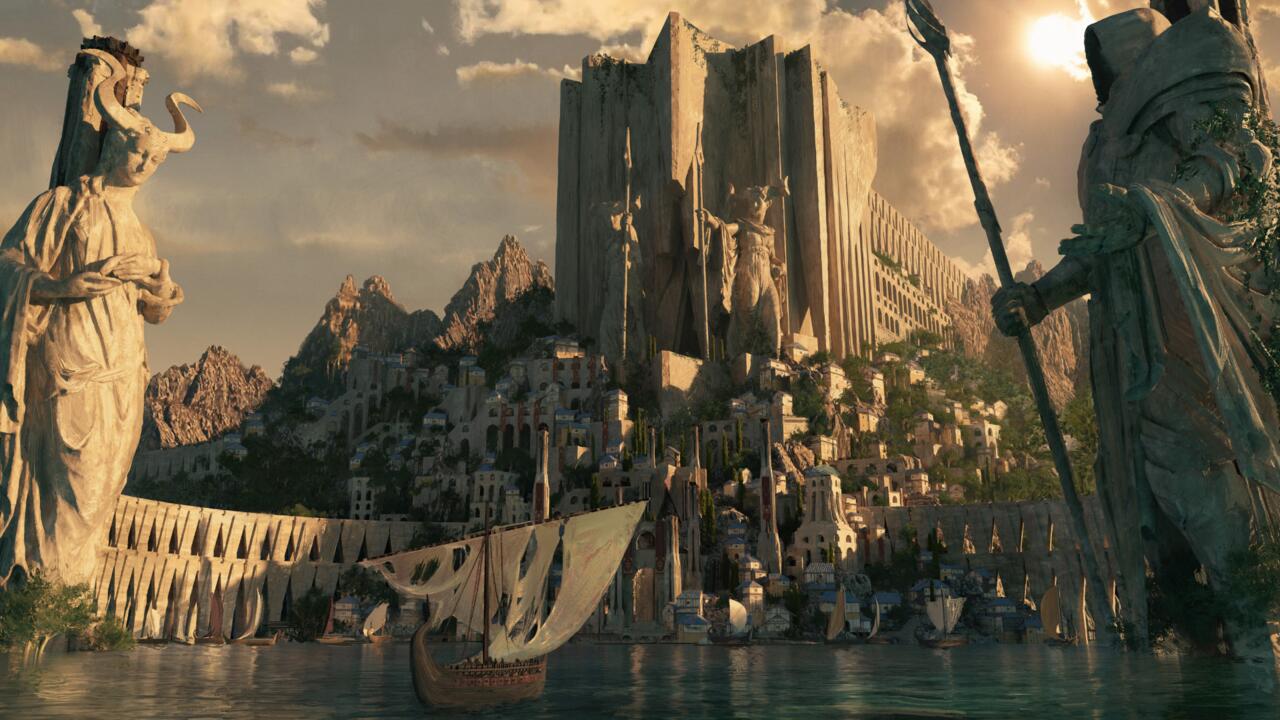
One of the biggest selling points of Lord of Hatred is the introduction of Skovos. Long teased in Diablo lore, Skovos is the birthplace of mankind and home to the Amazons and divine oracles. For longtime fans, visiting this region carries major significance.
Blizzard makes Skovos feel worthy of that history. The region is inspired by Mediterranean landscapes, with clear waters, volcanic terrain, ancient temples, crumbling cliffs, and sacred architecture. It feels beautiful, mythic, and ancient, which makes Mephisto’s corruption even more disturbing.
The enemy design also helps Skovos stand apart from other Diablo IV regions. Players face reanimated Drowned rising from the sea, corrupted creatures in the forests, golems, demons, and other threats shaped by Mephisto’s influence. This variety gives the expansion a strong sense of place and prevents the campaign from feeling like a simple remix of familiar monster types.

Combat Remains Satisfying, But Bosses Are More Demanding
The core combat in Lord of Hatred does not dramatically change Diablo IV’s formula, and that is not a problem. Diablo IV already has some of the best combat in the action-RPG genre. Skills feel impactful, enemy waves are satisfying to clear, and builds gradually grow into screen-filling machines of destruction.
What does feel different is the boss design. Lord of Hatred places a much stronger emphasis on positioning, mechanics, and arena awareness. Several fights feel closer to raid-style encounters than traditional Diablo bosses. Standing in the wrong place, ignoring an object, or failing to react to a phase change can quickly lead to death.
This makes the expansion’s major encounters more memorable. Some bosses force players to move constantly, while others become invulnerable until specific battlefield mechanics are handled. These fights demand more than raw damage. Players need awareness, timing, and adaptability.
That added challenge gives the campaign a stronger sense of escalation. By the time the story reaches its final stretch, the combat feels worthy of the narrative stakes.

The Story Is Diablo IV’s Strongest Yet
The greatest strength of Lord of Hatred is its story. While the expansion takes some time to build momentum, the payoff is excellent. The final act brings together years of lore, character development, and thematic setup to create one of the most powerful narrative arcs in Diablo history.
Despite the title, Lord of Hatred is not only about hatred. It is also about love, sacrifice, faith, hope, and the human will to endure. These themes might sound unusually optimistic for Diablo, but the expansion explores them through suffering, darkness, and corruption. That contrast makes the emotional moments hit harder.
Mephisto works especially well because he does not simply represent rage or cruelty. He weaponizes belief. He turns people’s dreams of peace and purification into tools of control. This makes the conflict feel timely and unsettling without losing the grim fantasy identity Diablo is known for.
The result is a story that feels both epic and personal. It gives the Hatred Saga a satisfying ending while still leaving enough room for Diablo IV’s future.
The Paladin Returns as a Fan-Favorite Power Fantasy
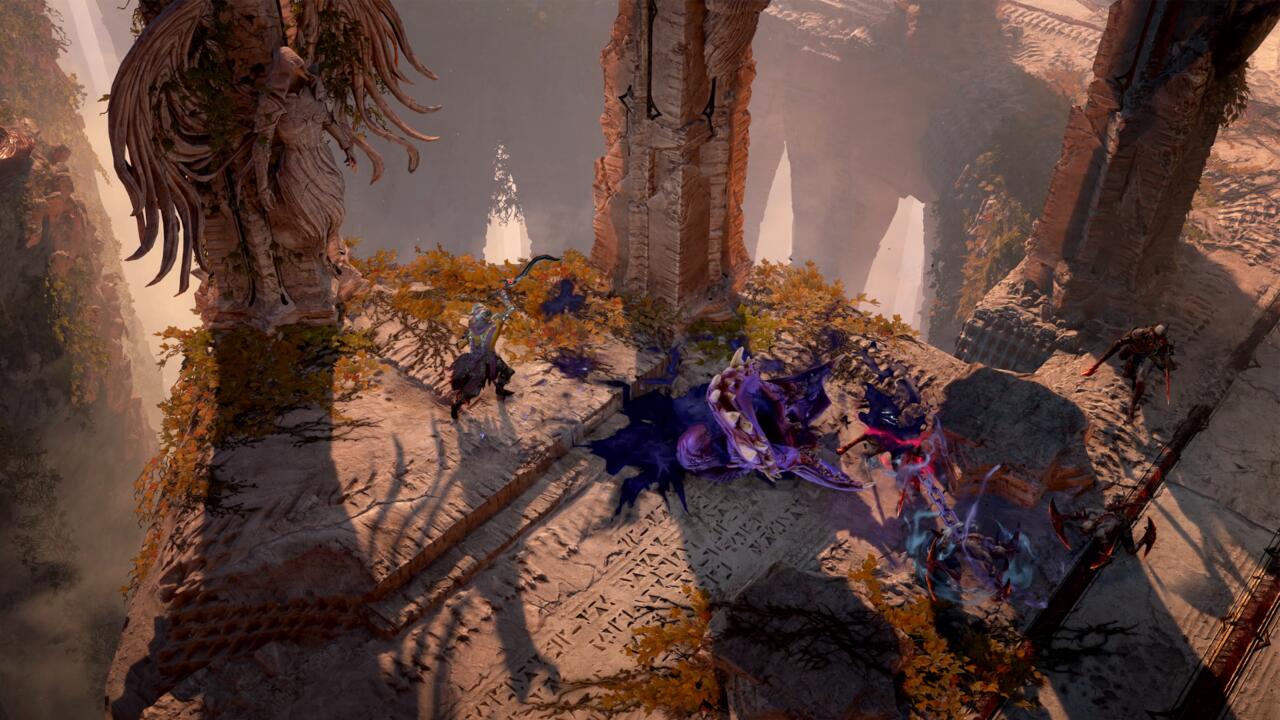
Lord of Hatred introduces two new classes: the Paladin and the Warlock. The Paladin is the more familiar of the two, bringing back the holy warrior fantasy that many Diablo fans have been waiting for.
The class delivers exactly what it should. It feels powerful, righteous, and durable, combining divine strength with martial force. For players who missed the classic holy knight identity in Diablo IV, the Paladin fills that gap well.
It may not be the most surprising addition, but it is a welcome one. Sometimes a returning class works because it gives players a fantasy they already love, and the Paladin does that successfully.
The Warlock Is a Fresh and Exciting Addition
The Warlock is the more surprising new class. In many fantasy settings, warlocks gain power by making pacts with dark entities. Diablo IV changes that idea in a way that fits its universe better. Instead of bargaining with demons, Warlocks hunt, bind, and control them.
This makes the Warlock feel dangerous without making the class seem foolish or out of place. In a world where demons are an existential threat, the idea of forcing them to serve you gives the class a darker, more aggressive identity.
The Warlock is divided into four broad archetypes: Legion, Vanguard, Mastermind, and Ritualist. Players can lean into summoning, direct damage, debuffs, shadow-based attacks, or battlefield control. The class can be built around commanding demonic forces, trapping enemies, spreading dark effects, or becoming a more active spellcaster.
This flexibility is one of the Warlock’s biggest strengths. It can scratch the summoner itch without feeling like a simple Necromancer replacement, and it also supports more direct, aggressive playstyles for players who do not want to rely heavily on minions.
Skill Tree Changes Make Builds More Flexible
Lord of Hatred also improves character building through major skill tree updates and a higher level cap. The new cap of 70 gives players more room to invest in their favorite abilities, and some skills can now be pushed much further than before.
One of the most exciting changes is that certain abilities can shift affinity or damage type after enough investment. For example, a fire-based skill might be transformed into an abyss-based skill. This encourages players to explore more of the skill tree instead of ignoring entire branches that do not match a narrow build.
This makes buildcrafting feel more creative. Meta builds will still exist, especially for high-level endgame players, but the system now gives more room for experimentation. Players who enjoy making their own custom builds will likely find Diablo IV much more rewarding after this expansion.
Endgame Improvements Add More Longevity
Lord of Hatred also introduces promising endgame updates. One of the most useful is War Plans, a feature that lets players create a playlist of up to five endgame activities, such as Nightmare Dungeons or Pit runs. This makes high-level content easier to organize and reduces the friction of jumping between activities.
The expansion also adds updates tied to the Horadric Cube, giving players more control over shaping their gear. Diablo IV has often struggled with loot quantity versus quality, and this system appears designed to make equipment progression feel more purposeful.
Some interfaces may take time to understand, but the direction is promising. More control over gear and smoother endgame flow are exactly the kinds of improvements Diablo IV needs for long-term play.
Final Verdict: Lord of Hatred Is a Must-Play Diablo IV Expansion
Diablo IV: Lord of Hatred is one of Blizzard’s strongest expansions in years. It improves Diablo IV without losing what already worked. The combat remains excellent, the new boss fights are more strategic, Skovos is a stunning addition, and the story gives the Hatred Saga the dramatic conclusion it deserves.
The Paladin brings back a beloved Diablo power fantasy, while the Warlock adds something darker and more flexible. Skill tree changes make builds more interesting, and new endgame systems give players more reasons to keep playing after the campaign.
Most importantly, Lord of Hatred proves that Diablo IV still has enormous potential. It delivers a powerful story about corruption, faith, sacrifice, and hope while giving players more meaningful ways to build, fight, and progress. For Diablo fans, this expansion is easy to recommend.
Diablo IV: Lord of Hatred FAQ
What is Diablo IV: Lord of Hatred?
Lord of Hatred is a Diablo IV expansion that continues and concludes the Hatred Saga, focusing on Mephisto, Skovos, new classes, improved progression, and expanded endgame systems.
What new region is added in Lord of Hatred?
The expansion adds Skovos, a Mediterranean-inspired archipelago tied to the Amazons, oracles, and the ancient history of humanity in Diablo lore.
What classes are added in Lord of Hatred?
Lord of Hatred adds two classes: the Paladin and the Warlock. The Paladin focuses on holy warrior power, while the Warlock binds and controls demons.
Is the Warlock similar to the Necromancer?
The Warlock can use summoned creatures, but it also supports direct attacks, debuffs, traps, shadow abilities, and battlefield control, making it feel distinct from the Necromancer.
Is Diablo IV: Lord of Hatred worth playing?
Yes. Lord of Hatred is worth playing for fans who want a stronger story, new classes, better build flexibility, tougher bosses, and meaningful endgame improvements.