Long Gone Offers a Peaceful Journey Through a Post-Apocalyptic World
Long Gone Preview: A Quiet Post-Apocalyptic Adventure Where Every House Tells a Story
Long Gone is an upcoming post-apocalyptic adventure game that takes a quieter approach to a familiar genre. Instead of focusing on combat, survival crafting, or waves of undead enemies, the game is built around exploration, environmental storytelling, platforming, and puzzle-like encounters. Developed by Hillfort Games and co-published with Outersloth, Long Gone is currently planned for release on PC in 2027.
Post-apocalyptic games are not rare. Players have explored ruined cities, fought zombies, scavenged wastelands, and survived countless outbreaks across the genre. What makes Long Gone stand out is its slower, more intimate direction. It is not trying to be another action-heavy survival game. Instead, it appears to focus on what remains after the disaster: abandoned homes, forgotten belongings, scattered notes, strange discoveries, and the quiet traces of people who are no longer there.
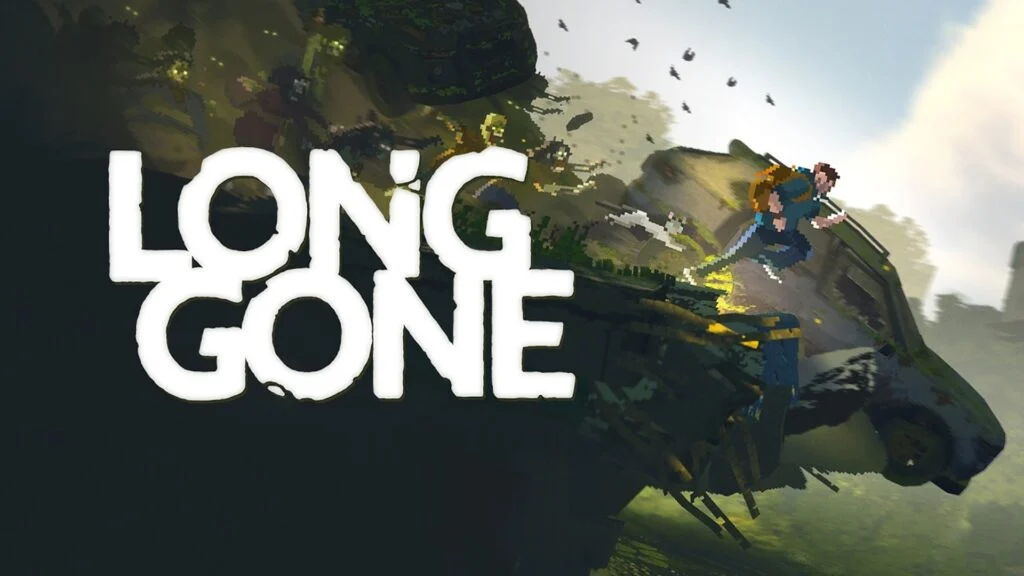
The latest trailer shows off more of the game’s unique style, combining lo-fi 3D pixel visuals with classic point-and-click adventure ideas, modern exploration, and light platforming. The result looks like a post-apocalyptic mystery built around curiosity rather than violence.
What Is Long Gone?
Long Gone is an adventure game set decades after an outbreak has changed the world. Players explore Corvid Hills, an abandoned suburban neighborhood slowly being reclaimed by nature. Houses are empty, streets are broken, and the remains of everyday life are scattered across drawers, cupboards, bedrooms, kitchens, and forgotten corners.
Rather than pushing players through constant danger, Long Gone encourages them to slow down and investigate. Every object may reveal something about the people who once lived there. A note, a photograph, a strange item, or an ordinary household object can become part of a larger story. The game seems designed around the idea that personal history survives in small details.
This makes Corvid Hills feel less like a generic ruined location and more like a neighborhood full of unfinished lives. The mystery is not only about what caused the outbreak. It is also about who lived there, what they feared, what they left behind, and how life changed before everything fell apart.
A Post-Apocalyptic Game Without Traditional Combat
One of the most interesting things about Long Gone is its lack of traditional combat. Zombies exist in the world, but they are not treated like enemies to defeat. Instead, they are obstacles to understand, avoid, or outsmart.
This design choice changes the tone immediately. In many zombie games, the player becomes stronger by gaining weapons, ammunition, and combat skills. In Long Gone, survival appears to depend more on observation, movement, and problem-solving. If a zombie blocks your path, the solution may be to find another route, distract it, or use the environment to move around it.
That approach can make encounters feel more tense without turning the game into an action title. A zombie does not need to be part of a fight to be dangerous. It only needs to stand between you and where you need to go. By turning these moments into puzzles, Long Gone keeps its focus on exploration while still giving players challenges to overcome.
Corvid Hills Is the Heart of the Game
The abandoned neighborhood of Corvid Hills appears to be the main setting of Long Gone, and it plays a major role in the game’s identity. Suburban neighborhoods are familiar spaces. Players know what houses, streets, yards, cupboards, and bedrooms are supposed to feel like. Seeing those spaces overgrown, abandoned, and filled with silence creates a strong emotional contrast.
Nature has taken over much of the area. Streets have collapsed, structures are overgrown, and human life has been reduced to fragments. This gives the game a melancholy atmosphere. The world is not simply destroyed; it is being slowly absorbed by something else.
The best post-apocalyptic settings are often the ones that make players wonder what happened before they arrived. Long Gone seems built around that question. Each house is a small mystery. Every room may contain clues, secrets, or odd discoveries. Some findings may be tragic, others strange, and some may simply be funny or unsettling in unexpected ways.
Exploration Changes Between Indoors and Outdoors
Long Gone uses an interesting structure that changes depending on where the player is. Outside, the game leans into 2.5D platforming. Players move through damaged streets, overgrown structures, broken pathways, and environmental obstacles. These outdoor spaces seem to function as both traversal challenges and connective tissue between explorable homes.
Inside houses, the game opens into more complete 3D exploration. Players can move side to side and back and forth through rooms, rummaging through objects, opening containers, reading notes, and piecing together stories. This shift gives the game a rhythm: movement and platforming outdoors, investigation and discovery indoors.
That structure could work very well for a mystery-focused adventure. Outdoor platforming keeps the game from becoming too static, while indoor exploration gives players time to slow down and absorb the world. The contrast between the two modes also helps each house feel like its own self-contained story space.
Lo-Fi 3D Pixel Art Gives Long Gone a Distinct Look
The visual style of Long Gone is another major part of its appeal. The game uses a lo-fi 3D pixel aesthetic, giving it a retro-inspired look while still allowing for modern environmental detail and 3D exploration.
This style fits the tone of the game well. It allows the world to feel nostalgic, strange, and slightly dreamlike. Post-apocalyptic settings can easily become visually familiar, but Long Gone’s art direction helps separate it from more realistic zombie games. The low-resolution look may also make small objects and environmental details feel more deliberate, encouraging players to pay attention.
The game’s style appears to sit somewhere between classic adventure games and modern indie exploration titles. That blend could appeal to players who enjoy slower, mood-driven games with a strong sense of place.
Mavis the Cat Adds Personality and Utility
Long Gone also includes a small cat companion named Mavis. She accompanies the player throughout the journey and appears to be more than a cute sidekick. Mavis can help spot dangers, guide players toward secrets, and reach places the player cannot access.
Companion characters can make lonely games feel more emotionally grounded, and Mavis seems designed to do exactly that. In an empty world full of abandoned houses and wandering zombies, having a small animal companion can make the journey feel less isolating without breaking the quiet tone.
Her gameplay role also sounds useful. If Mavis can point out hidden paths, warn of threats, or interact with small spaces, she may become an important part of puzzle-solving and exploration. The key will be making her helpful without over-explaining every secret. If handled well, Mavis could become one of the game’s most memorable features.
Environmental Storytelling Appears to Be the Main Focus
Long Gone seems built for players who enjoy discovering stories through the environment. Instead of relying only on cutscenes or direct exposition, the game encourages players to open drawers, read notes, inspect objects, and infer what happened.
This kind of storytelling can be powerful because it makes the player an active participant. You are not simply being told what happened to Corvid Hills. You are reconstructing it from what people left behind. A messy room, a hidden note, a locked cabinet, or an unusual object placement can all become part of the narrative.
The game’s best moments will likely come from these quiet discoveries. Not every story needs to be dramatic. Some may be sad, some may be funny, and some may be deeply strange. That variety can make the world feel more human.
Why Long Gone Could Stand Out in a Crowded Genre
The post-apocalyptic genre is crowded, but Long Gone has several qualities that could help it stand apart. Its lack of combat gives it a different pace. Its suburban setting makes the apocalypse feel personal rather than grand. Its cat companion adds warmth. Its 2.5D and 3D structure gives exploration variety. Its focus on small stories makes the world feel more intimate.
Many games about the end of the world focus on survival, power, and violence. Long Gone appears more interested in memory, absence, and curiosity. That makes it feel closer to a mystery adventure than a traditional zombie game.
Players who enjoy games about exploring abandoned spaces, reading environmental clues, and slowly uncovering what happened may find a lot to like here. The game may also appeal to fans of quiet post-apocalyptic fiction where the world after disaster is not only dangerous, but reflective and strange.
Final Thoughts
Long Gone is an upcoming PC adventure game worth watching, especially for players tired of combat-heavy post-apocalyptic titles. Its mix of lo-fi 3D pixel art, 2.5D platforming, indoor exploration, environmental storytelling, zombie puzzles, and a helpful cat companion gives it a clear identity.
By setting the story in an abandoned neighborhood decades after an outbreak, Hillfort Games seems to be creating a more personal kind of apocalypse. Corvid Hills is not just a map full of hazards. It is a place full of memories, secrets, and unfinished stories.
With its planned 2027 PC release, Long Gone still has time to develop further, but its latest trailer already suggests a thoughtful and atmospheric adventure. If you enjoy exploration-focused games, post-apocalyptic mysteries, non-combat zombie encounters, and quiet storytelling, Long Gone should be on your wishlist.
Long Gone FAQ
What kind of game is Long Gone?
Long Gone is a post-apocalyptic adventure game with exploration, 2.5D platforming, 3D indoor investigation, environmental storytelling, and puzzle-based zombie encounters.
Who is developing Long Gone?
Long Gone is developed by Hillfort Games and co-published by Hillfort Games and Outersloth.
When does Long Gone release?
Long Gone is currently planned for release on PC in 2027.
Does Long Gone have combat?
No. Long Gone does not focus on traditional combat. Zombies appear in the environment, but encounters are treated like puzzles rather than fights.
Who is Mavis in Long Gone?
Mavis is a small cat companion who travels with the player, helps spot dangers, points toward secrets, and can reach places the player cannot.