Diablo IV: Lord of Hatred Review – A Powerful Finale That Elevates the Entire Game
Heading into Diablo IV: Lord of Hatred, expectations were extremely high. Blizzard had already pushed the franchise into one of its strongest eras, but the previous expansion left mixed impressions. With promises of a new region, major story payoff, and meaningful gameplay updates, this latest expansion had a lot to prove.
Fortunately, Lord of Hatred delivers. Not only does it provide a satisfying conclusion to the long-running Hatred Saga, but it also introduces new systems, classes, and endgame improvements that give Diablo IV more depth and longevity than ever before.

A Dark Story With Higher Stakes Than Ever
The expansion picks up shortly after the events of the previous chapter, where Mephisto has taken control of a revered, messiah-like figure. Using deception and false miracles, he has convinced much of the world that he is a force for good.
This narrative twist creates a compelling conflict. As a player, you are no longer just fighting demons—you are opposing a figure worshipped by the masses. This adds emotional weight and complexity to the story, as allies become enemies and truth becomes harder to distinguish.
Your journey takes you to the long-awaited region of Skovos, a location deeply rooted in Diablo lore. As the birthplace of humanity and a sacred land, Skovos plays a central role in the expansion’s story and atmosphere.
Skovos: A Stunning and Corrupted New Region
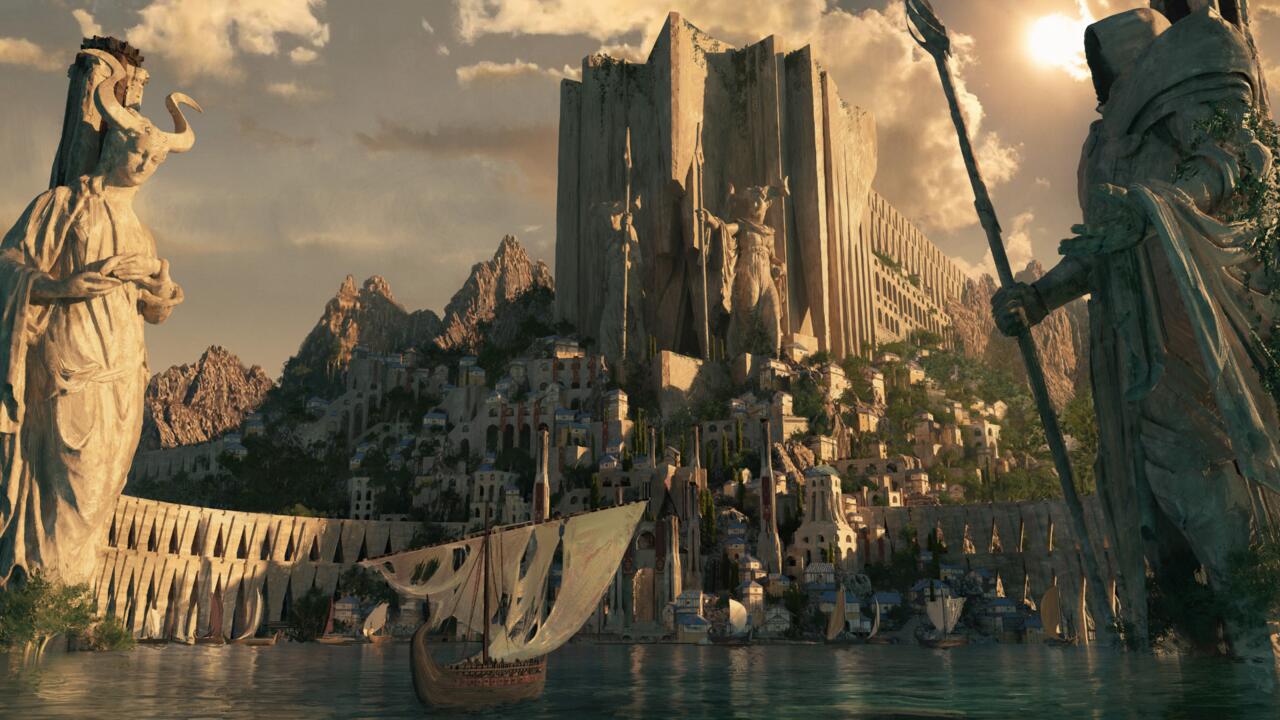
Skovos is one of the most visually striking areas in Diablo IV. Inspired by Mediterranean landscapes, it features coastal cliffs, ancient temples, volcanic terrain, and lush forests.
However, this beauty is constantly contrasted by corruption. The land is under siege, with twisted creatures, undead enemies, and environmental decay spreading across the region.
This balance between beauty and destruction reinforces the expansion’s core themes of light versus darkness.
New Enemies and Environmental Variety
The expansion introduces a variety of new enemies that break away from the usual demon-heavy encounters. Players will face reanimated sea creatures, corrupted wildlife, and powerful constructs, each adding variety to combat encounters.
These enemies not only diversify gameplay but also strengthen the identity of Skovos as a unique and living world.
Combat Remains Strong—But Bosses Steal the Show
At its core, combat in Lord of Hatred remains consistent with Diablo IV’s established systems—and that’s a good thing. The gameplay is fast, responsive, and highly satisfying, especially when facing large groups of enemies.
Where the expansion truly shines, however, is in its boss design.
More Strategic and Challenging Boss Fights
Boss encounters are significantly more complex than before. Many fights now emphasize positioning, timing, and environmental awareness rather than raw damage output.
Some bosses require players to interact with the environment, avoid deadly zones, or adapt to shifting mechanics mid-fight. Others introduce phases where traditional attacks are ineffective, forcing players to think strategically.
These encounters feel closer to raid-style battles, making them some of the most memorable fights in Diablo history.
A Narrative That Finally Delivers
Without revealing major spoilers, it’s safe to say that Lord of Hatred features one of the strongest stories the Diablo franchise has ever told.
The expansion builds slowly at first, but the payoff is substantial. Themes of sacrifice, hope, and human resilience are explored in a way that feels both grounded and impactful.
Despite its dark tone, the story emphasizes the strength of humanity in the face of overwhelming odds—adding emotional depth that goes beyond typical action-RPG storytelling.
The final act delivers a powerful conclusion, tying together multiple story threads while leaving room for future expansions.
Two New Classes Add Depth and Variety
One of the biggest highlights of the expansion is the addition of two new playable classes: the Paladin and the Warlock.
Paladin: A Classic Done Right
The Paladin brings back the iconic holy warrior archetype, offering a balanced mix of defense, support, and powerful melee attacks. It’s a familiar class, but one that feels polished and satisfying to play.
Warlock: A Fresh Take on Dark Magic
The Warlock is where things get more interesting. Instead of forming pacts with demons, this class captures and controls them, bending them to its will.
This unique approach separates the Warlock from other summoner-style classes and introduces a variety of playstyles. Players can focus on summoning, direct damage, debuffs, or hybrid builds.
The flexibility of the Warlock makes it one of the most engaging additions to Diablo IV.
Improved Skill System and Build Diversity
The expansion introduces meaningful updates to the skill system, making character customization more flexible than ever.
One of the biggest changes is the ability to modify how certain abilities function. Skills can shift their type or behavior, allowing for more creative builds and experimentation.
The increased level cap also gives players more room to invest in abilities, further expanding build possibilities.
This results in a system that feels less restrictive and more rewarding, especially for players who enjoy optimizing their characters.
Endgame Content Gets a Boost
Endgame content has always been a critical part of Diablo’s appeal, and Lord of Hatred introduces several improvements in this area.
War Plans System
This new feature allows players to create a sequence of endgame activities, making it easier to jump into high-level content without unnecessary downtime.
Improved Gear Customization
The updated crafting and upgrade systems give players more control over their equipment, addressing long-standing concerns about loot randomness.
While some systems may take time to fully understand, they offer promising improvements for long-term progression.
Does It Fix Diablo IV’s Weak Points?
While the expansion excels in many areas, it doesn’t completely eliminate all of Diablo IV’s issues. Some systems still require refinement, and certain mechanics may feel complex or overwhelming for new players.
However, the overall improvements far outweigh these minor drawbacks.
Final Verdict: A Must-Play Expansion
Diablo IV: Lord of Hatred succeeds in delivering a meaningful and impactful expansion. It enhances the core gameplay, introduces exciting new systems, and provides one of the most compelling narratives in the franchise.
With strong class additions, improved customization, and engaging endgame content, it elevates Diablo IV to a new level.
For both returning players and newcomers, this expansion is absolutely worth experiencing.
More importantly, it proves that Diablo IV is not only in a good place—but moving toward an even better future.